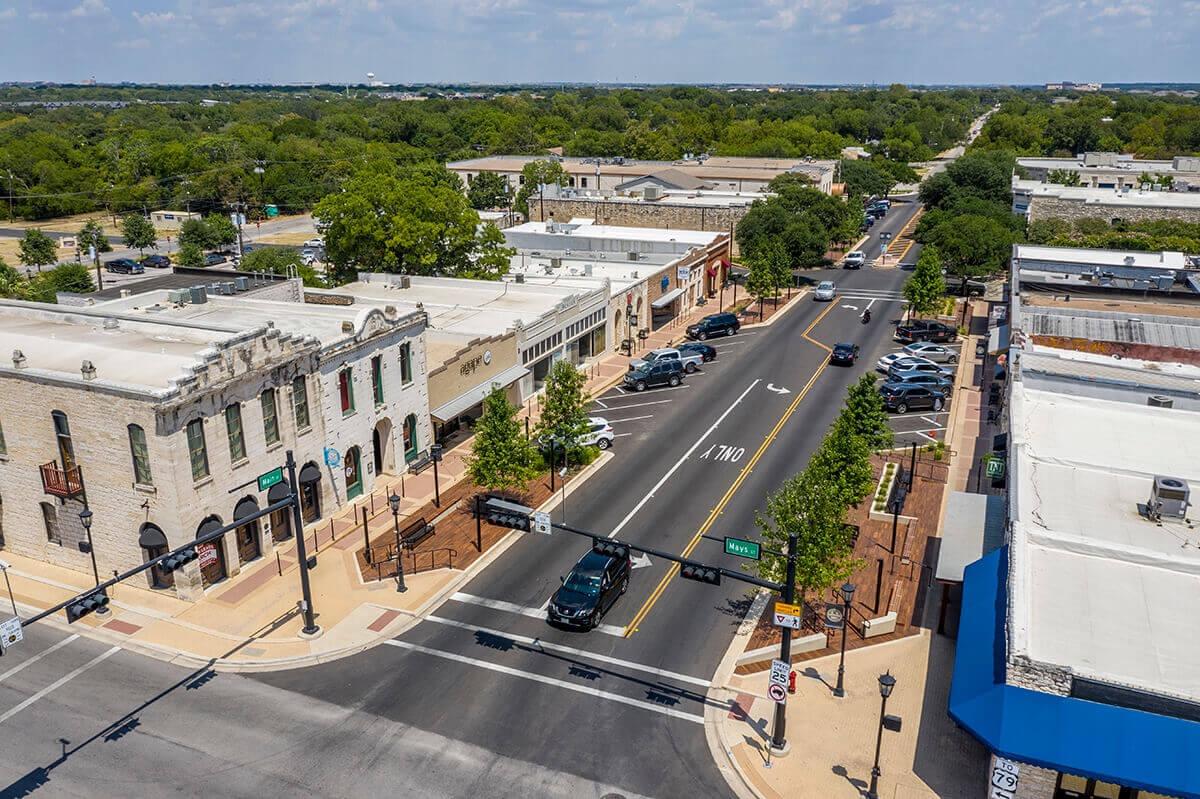
How Walkable Is Round Rock, Texas?
"Is Round Rock walkable?" is a question that comes up more often than you might expect—especially from buyers moving from Austin, out of state, or from more urban environments.
The honest answer?It depends on where you live—and what you expect.
Round Rock Is Designed for Driving—But That’s Changing
Historically, Round Rock developed as a suburban city. That means most daily errands still involve a car. Grocery stores, schools, and workplaces are spread out, and the city wasn’t originally designed around dense, walkable corridors.
But that’s not the full story anymore.
Downtown Round Rock and Emerging Walkable Areas
Downtown Round Rock is the most walkable pocket in the city. Restaurants, shops, events, and public spaces are clustered together, and nearby neighborhoods allow for short walks or bike rides.
Some newer developments are also being designed with trails, mixed-use areas, and neighborhood connectivity in mind. While they’re not “urban walkable” in the Austin sense, they offer a more pedestrian-friendly lifestyle than older suburban layouts.
Trails, Parks, and Everyday Walkability
Walkability isn’t just about coffee shops—it’s also about trails and outdoor access. Round Rock has an expanding trail system connecting parks, neighborhoods, and recreational spaces.
Many residents walk for exercise and leisure, even if they still drive for errands.
What Buyers Should Know
If true car-free living is your priority, Round Rock may feel limited compared to central Austin. But if you’re looking forwalkable moments paired with suburban convenience, certain areas fit that balance well.
This is one of those topics where online rankings miss the nuance. Walkability in Round Rock is highly location-specific—and that’s where local guidance makes a difference.
If lifestyle fit matters see beyond surface-level scores.
I’m Jeff Miller, a local Realtor, and this is Greater Than Austin — your source for what’s new, what’s now, and what’s next in Central Texas.
