How Commutes Really Work in Round Rock, Texas (What Newcomers Should Expect)
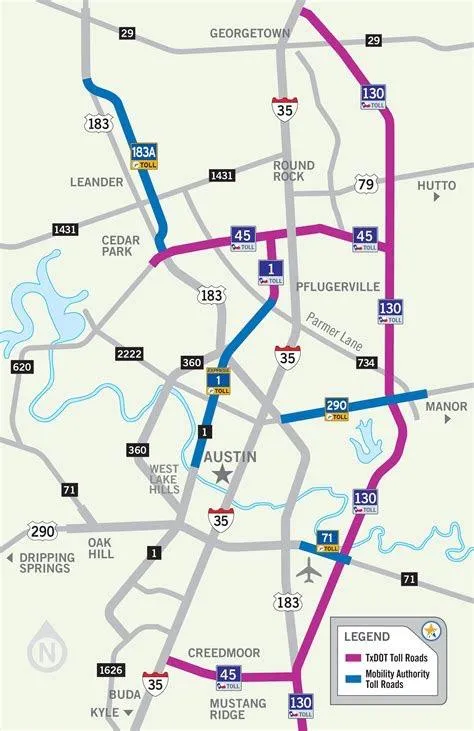
Commute questions come up fast when people consider Round Rock, Texas, and I get why. On a map, Round Rock looks close to everything. In real life, commute time in Central Texas is less about miles and more about patterns, timing, and choosing the right side of town for your daily routine.
If you’re relocating to the Greater Austin area, you’re probably trying to solve a real problem: you want the lifestyle of Round Rock, but you don’t want your car to become your second home. And if you’re moving from a place where traffic is light, the learning curve around I 35 can feel… let’s call it “humbling.”
The good news is that Round Rock can absolutely work for commuting. The better news is that most of the stress is avoidable if you choose location with intent.
The biggest commute mistake people make
The most common mistake is picking a home based on “it’s Round Rock” without thinking about where you’ll drive most often. Round Rock is not tiny. Two neighborhoods can both be Round Rock, and yet deliver totally different experiences for work, school drop offs, shopping, and weekend life.
Another mistake is relying on midday drive times. Central Texas traffic has its own personality, and it shows up when everyone else is trying to do the same thing you are. Morning and afternoon commutes are their own world.
What to expect with I 35 and the main corridors
Round Rock sits along I 35, and for many people commuting toward Austin, that’s the primary route. It can be efficient, and it can also be unpredictable during peak times. That doesn’t mean you can’t do it. It means you plan around it.
Some residents prioritize living with quicker access to major roads. Others choose neighborhoods that reduce daily driving altogether by being closer to schools, parks, and the places they spend time. For many families, the “commute” they care about most isn’t just work. It’s the whole day’s chain of driving.
How to create a commute that doesn’t drain you
The simplest plan is this:
First, identify your primary destinations. Work location is obvious, but also think about kids’ schools, grocery runs, sports practices, medical appointments, and the places you actually go weekly.
Second, decide what kind of commute you tolerate. Some people don’t mind a longer drive if the neighborhood feels perfect. Others would rather sacrifice a bigger yard for ten minutes less in the car. There’s no wrong answer. There’s only your answer.
Third, choose Round Rock neighborhoods based on rhythm, not hype. Some areas naturally support quick highway access. Others are better for staying local and avoiding heavy traffic patterns.
Why Round Rock is still worth it
This is the part that often gets missed. People focus on the commute and ignore what they get in return: neighborhoods with space, parks, a community feel, and access to great amenities without the intensity of living closer to central Austin.
Round Rock has Old Settlers Park, Brushy Creek trails nearby, major shopping and dining, and a lifestyle that tends to feel easier for families and professionals. For many people, that tradeoff is exactly the point.
The win
The win isn’t finding a “perfect commute.” It’s designing a daily life that doesn’t feel like a grind.
If commute time is a big factor in your move, tell me where you’ll be driving most days and what you want your routine to feel like. I can help you narrow Round Rock neighborhoods that make life easier, not harder, so you don’t end up loving the house but resenting the drive.
